
PRP is supportive, not a substitute for planning
Platelet-rich plasma may be discussed when the clinical context suggests scalp support could be useful. It does not replace donor planning, hairline design, or postoperative care.
The consultation should explain why PRP is being considered and what the realistic goal is.
Timing depends on the plan
Some patients ask about PRP before treatment, around the procedure, or during recovery. Timing should be individualized rather than copied from a generic schedule.
The right discussion includes scalp condition, hair loss pattern, procedure plan, and other treatments already being used.
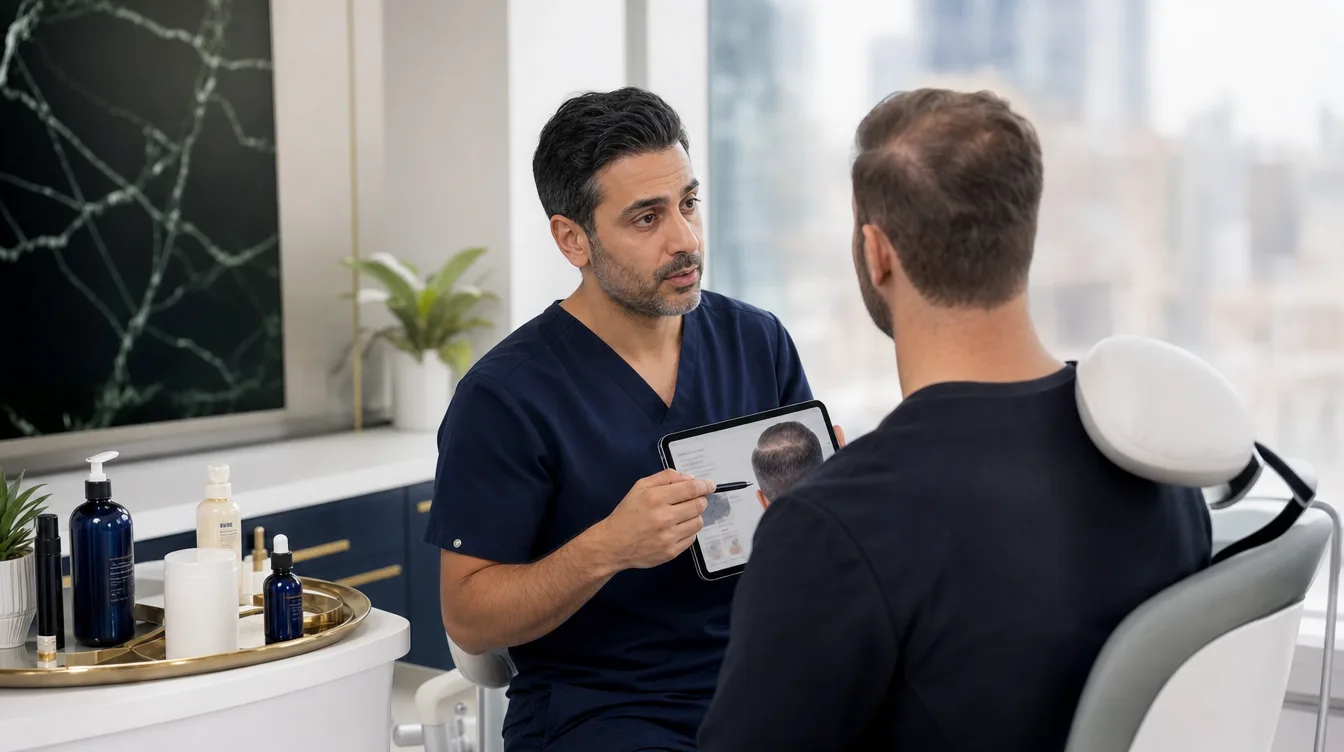

What patients should ask
Patients should ask how PRP fits their diagnosis, whether maintenance may be discussed, and what changes would be used to evaluate progress.
Because response varies, PRP should be framed with conservative language and clear follow-up expectations.
Questions about PRP
- Why is PRP being recommended in my case?
- How would progress be evaluated?
- How does PRP fit with FUE recovery?
- What alternatives or supportive options should I understand?
PRP can be part of the conversation, but it should not distract from diagnosis and surgical planning.
Educational information only. This article about PRP after hair transplant does not replace medical consultation, diagnosis, or personalized postoperative instructions.
Next step
Plan a consultation around PRP after hair transplant
Bring the details that matter for PRP after hair transplant and the clinic can help decide whether the next step is diagnosis, treatment planning, support therapy, or observation.
Common questions about PRP after hair transplant
Is PRP required after FUE?
Not necessarily. It may be discussed for some patients when clinically appropriate.
Does PRP guarantee better growth?
No. It should be presented with realistic expectations and individual variability.
Can PRP replace a transplant?
No. PRP is a supportive option, not a universal replacement for surgical planning.
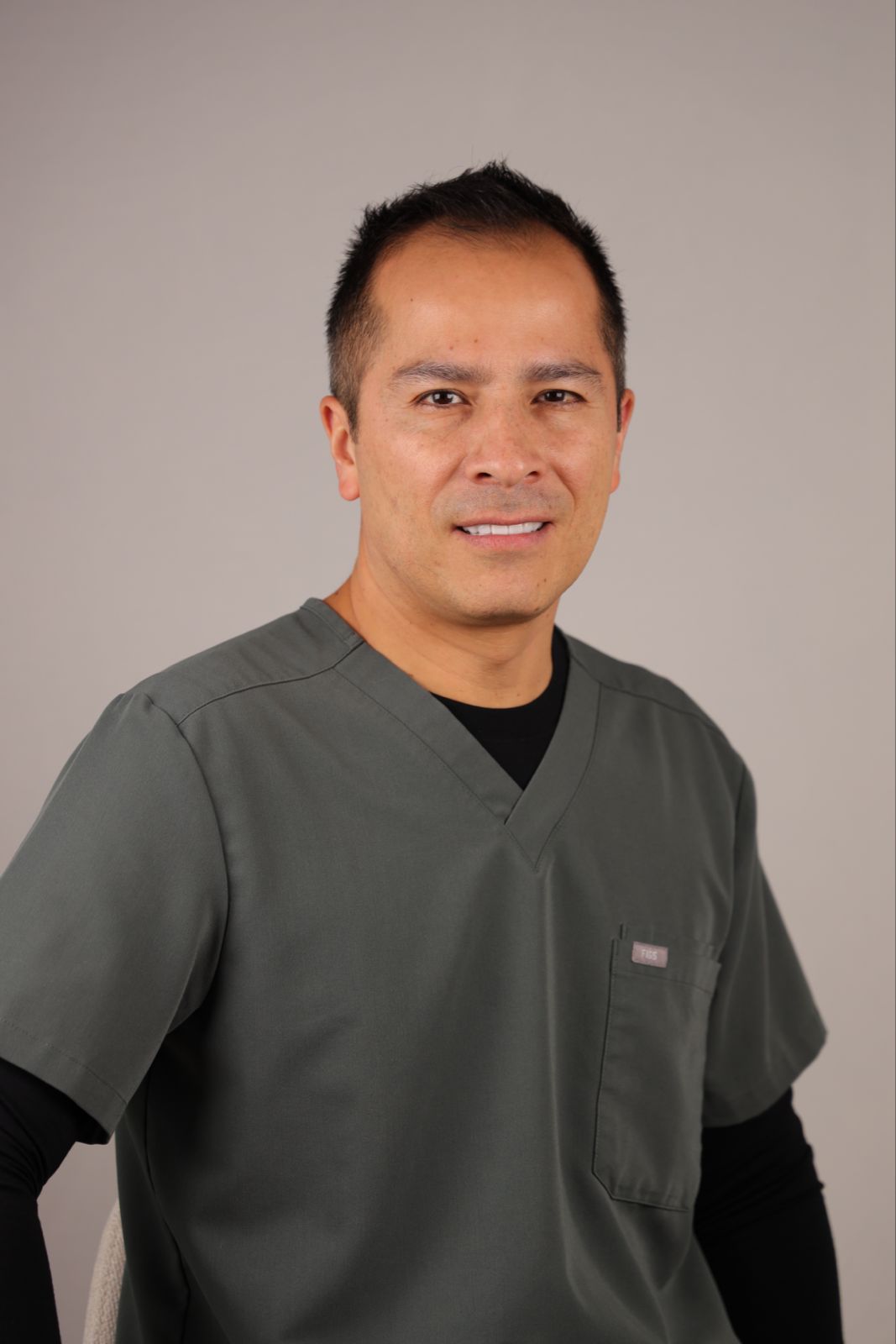
About the author
Edgar Augusto Castillo Delgado, MD on PRP after hair transplant
Edgar Augusto Castillo Delgado, MD, creates educational guidance for Dr. Castillo Hair Restoration with a diagnosis-first approach. This article about PRP after hair transplant is intended to help patients prepare better questions for consultation and does not replace individualized medical advice.