
What shock loss means
Shock loss refers to temporary shedding that can affect transplanted hairs, nearby native hairs, or both. The details vary by patient and should be explained in the context of the procedure.
Because shedding can happen after an initial healing period, patients may feel alarmed if they expected immediate density. Clear education reduces that anxiety.
Why expectations matter
FUE growth is not instant. Transplanted hairs often go through a resting phase before visible improvement appears. This means the early months can look uneven or less full than expected.
A consultation should explain what is normal, what is concerning, and when follow-up photos or an appointment are useful.


How to respond
Patients should follow postoperative instructions, avoid picking or aggressive grooming, and report symptoms that fall outside the guidance they received.
The goal is not to self-diagnose every change. The goal is to know which changes are expected enough to monitor and which ones deserve clinic input.
Helpful questions before FUE
- What shedding timeline should I expect?
- Which symptoms should I report?
- When should I send progress photos?
- How will we evaluate growth over time?
Shock loss is easier to handle when it is explained before the mirror becomes stressful.
Educational information only. This article about shock loss after FUE hair transplant does not replace medical consultation, diagnosis, or personalized postoperative instructions.
Next step
Plan a consultation around shock loss after FUE hair transplant
Bring the details that matter for shock loss after FUE hair transplant and the clinic can help decide whether the next step is diagnosis, treatment planning, support therapy, or observation.
Common questions about shock loss after FUE hair transplant
Does shock loss mean the grafts failed?
Not necessarily. Temporary shedding can be part of the recovery conversation, but concerns should be reviewed by the clinic.
Can native hair shed too?
Some patients may notice shedding around treated areas. Your clinician can explain what is expected for your case.
When should I call?
Call if symptoms are outside the clinic’s instructions, worsening, or causing concern.
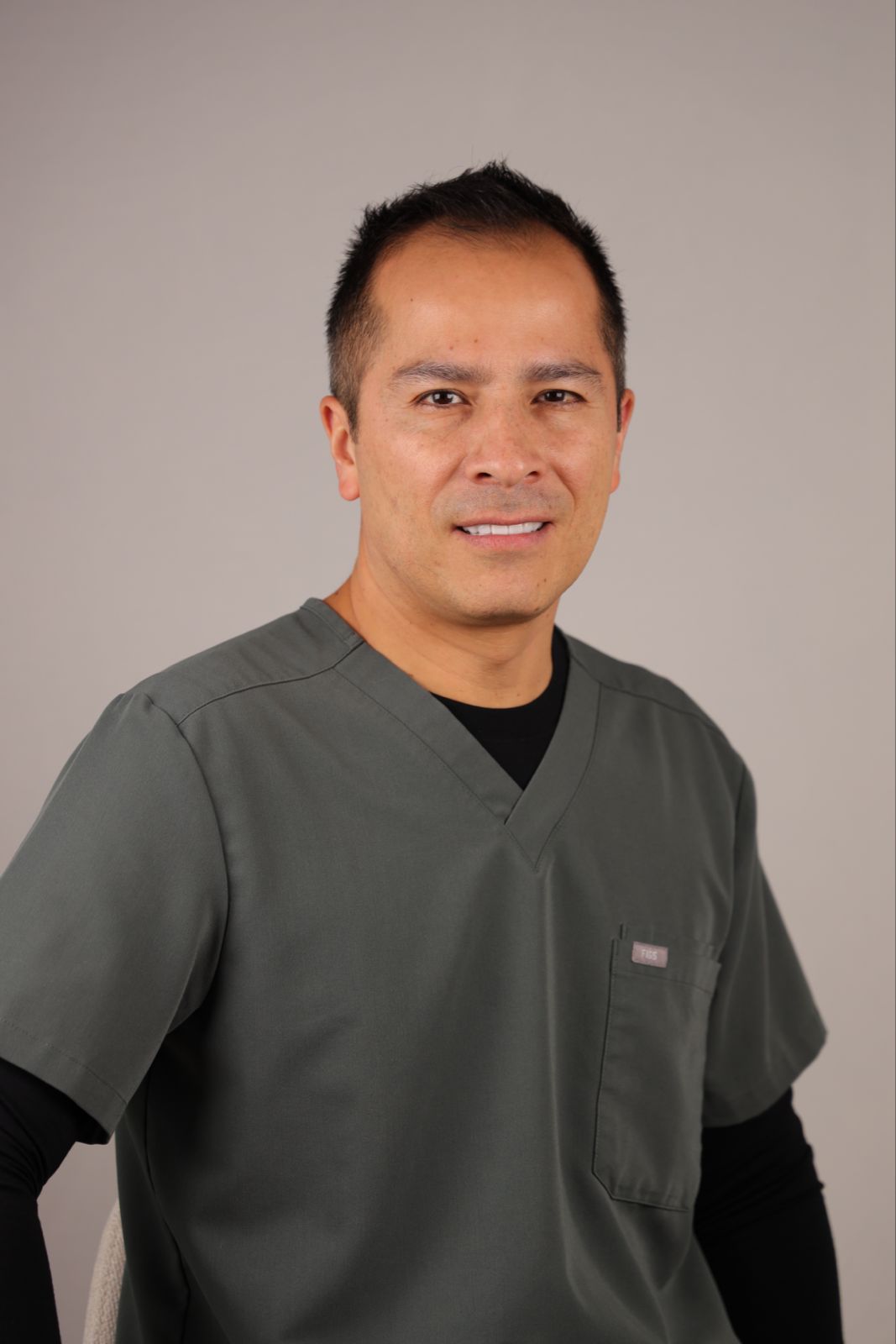
About the author
Edgar Augusto Castillo Delgado, MD on shock loss after FUE hair transplant
Edgar Augusto Castillo Delgado, MD, creates educational guidance for Dr. Castillo Hair Restoration with a diagnosis-first approach. This article about shock loss after FUE hair transplant is intended to help patients prepare better questions for consultation and does not replace individualized medical advice.