
Use conditional language
Exosome support may be discussed when the clinical context fits. It should not be described as a guaranteed solution for thinning hair.
A responsible consultation explains what is known, what is uncertain, and how the option compares with monitoring, PRP, medication review, or surgical planning.
Diagnosis still comes first
Thinning hair can have different causes. Pattern hair loss, shedding, scalp inflammation, stress, medical factors, and prior treatments can all change the conversation.
Before discussing exosomes, the clinic should understand the patient’s history and goals.


How it may fit a broader plan
Exosome support may be considered alongside scalp care, FUE planning, PRP, or monitoring when appropriate.
The key is to define the goal clearly: support, not a promise of full restoration.
What to clarify
- Why exosomes are being discussed for your case.
- What other options should be considered first or alongside it.
- How progress would be documented.
- What expectations would be unrealistic.
Advanced options should make the plan clearer, not louder.
Educational information only. This article about exosome hair treatment for thinning hair does not replace medical consultation, diagnosis, or personalized postoperative instructions.
Next step
Plan a consultation around exosome hair treatment for thinning hair
Bring the details that matter for exosome hair treatment for thinning hair and the clinic can help decide whether the next step is diagnosis, treatment planning, support therapy, or observation.
Common questions about exosome hair treatment for thinning hair
Are exosomes proven to regrow hair for everyone?
No. They should be discussed cautiously and only when clinically appropriate.
Can exosomes replace FUE?
No. They may be part of a supportive conversation, not a universal replacement for transplantation.
Should I start without a diagnosis?
No. A diagnosis-first consultation is the safer starting point.
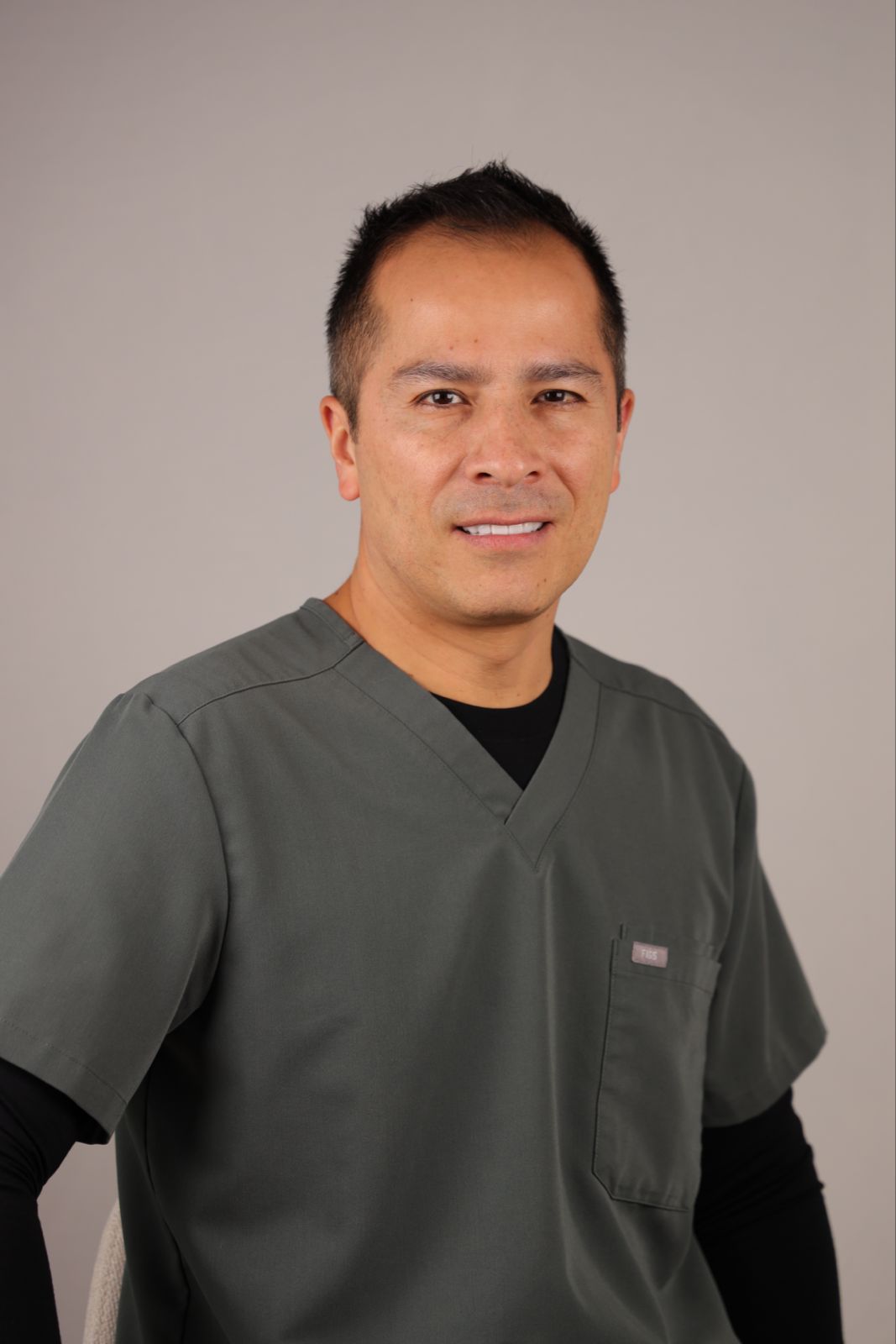
About the author
Edgar Augusto Castillo Delgado, MD on exosome hair treatment for thinning hair
Edgar Augusto Castillo Delgado, MD, creates educational guidance for Dr. Castillo Hair Restoration with a diagnosis-first approach. This article about exosome hair treatment for thinning hair is intended to help patients prepare better questions for consultation and does not replace individualized medical advice.