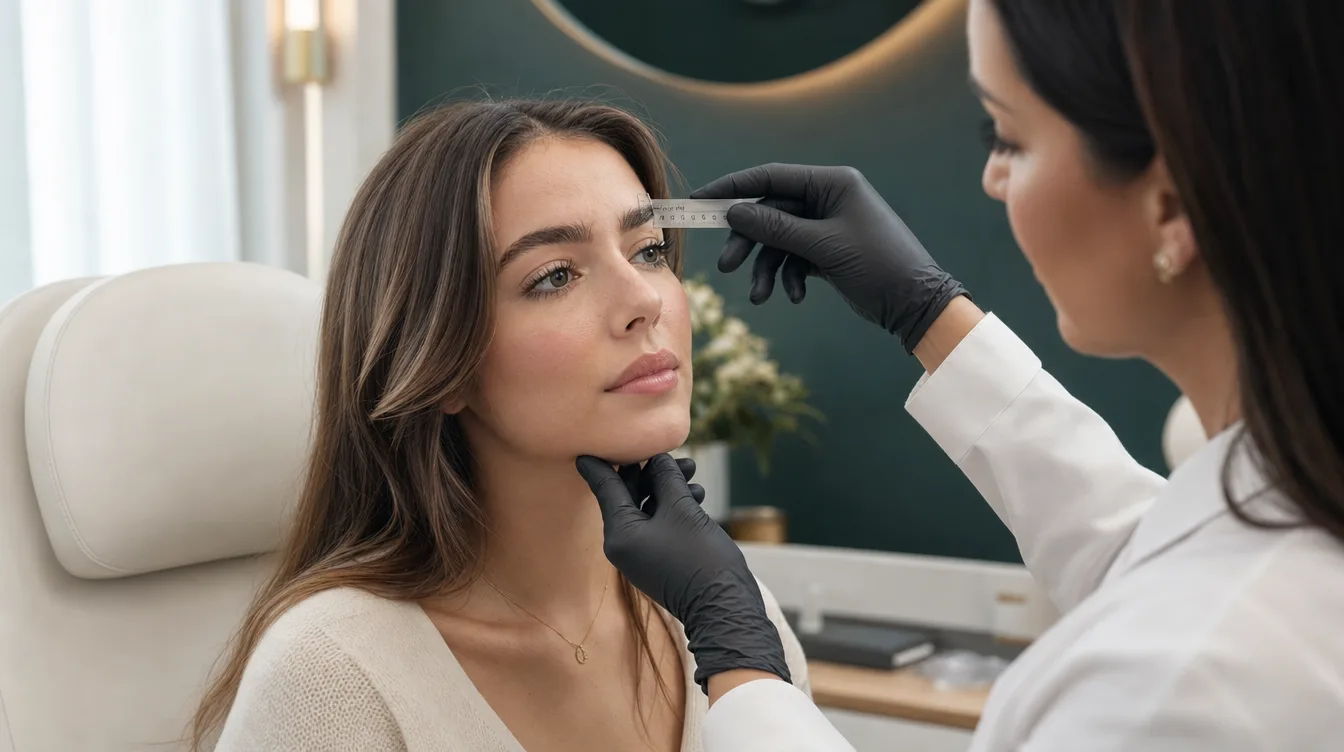
Brow restoration is high-detail work
Small changes in brow shape can change facial expression. A plan should consider arch, tail, inner brow, density, and symmetry rather than simply adding hair everywhere.
Because eyebrows sit in a highly visible area, conservative planning and careful selection matter.
Angle and direction are different from scalp hair
Eyebrow hairs grow at a very low angle and follow a specific pattern. Placement that is too upright can look unnatural.
The consultation should explain how direction, density, and future grooming may affect the result.


Expectations and maintenance
Transplanted hairs may require trimming or maintenance because donor hair can behave differently than native brow hair.
Patients should understand that the goal is improvement and balance, not a guaranteed perfect brow.
Bring to the consultation
- Photos of your natural brow history if available.
- Notes on over-plucking, trauma, scars, or thinning timeline.
- Examples of brow shape you prefer and shapes you dislike.
- Questions about grooming and maintenance.
Eyebrow transplant planning is less about adding many hairs and more about placing the right hairs in the right direction.
Educational information only. This article about eyebrow transplant after over-plucking does not replace medical consultation, diagnosis, or personalized postoperative instructions.
Next step
Plan a consultation around eyebrow transplant after over-plucking
Bring the details that matter for eyebrow transplant after over-plucking and the clinic can help decide whether the next step is diagnosis, treatment planning, support therapy, or observation.
Common questions about eyebrow transplant after over-plucking
Can over-plucked brows be restored?
They may be evaluated for transplant, but candidacy depends on skin, donor supply, goals, and expectations.
Will the angle look natural?
That is a central design goal, but it requires careful planning and cannot be promised for every patient.
Will I need to trim transplanted brow hairs?
Maintenance may be needed and should be discussed before treatment.
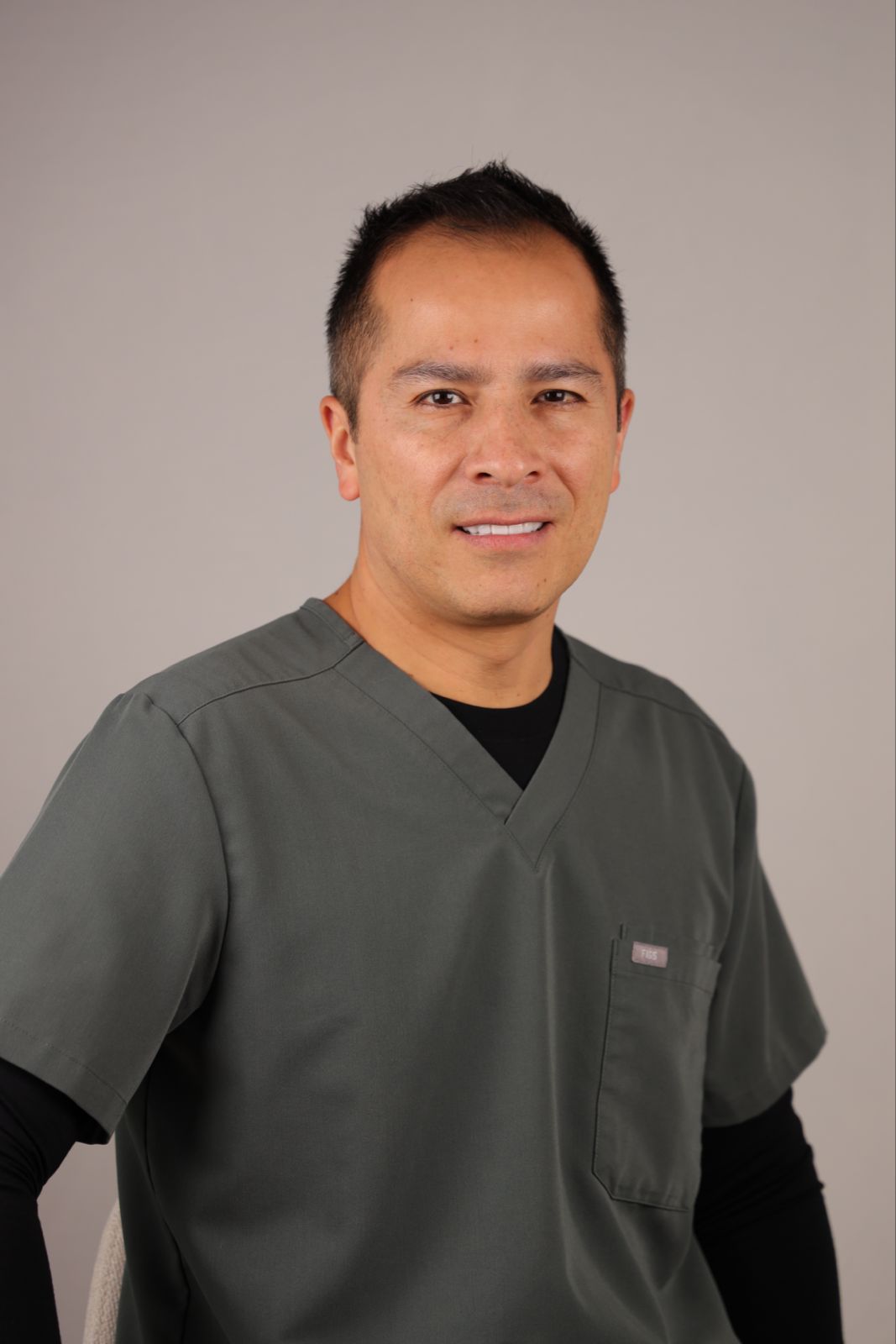
About the author
Edgar Augusto Castillo Delgado, MD on eyebrow transplant after over-plucking
Edgar Augusto Castillo Delgado, MD, creates educational guidance for Dr. Castillo Hair Restoration with a diagnosis-first approach. This article about eyebrow transplant after over-plucking is intended to help patients prepare better questions for consultation and does not replace individualized medical advice.