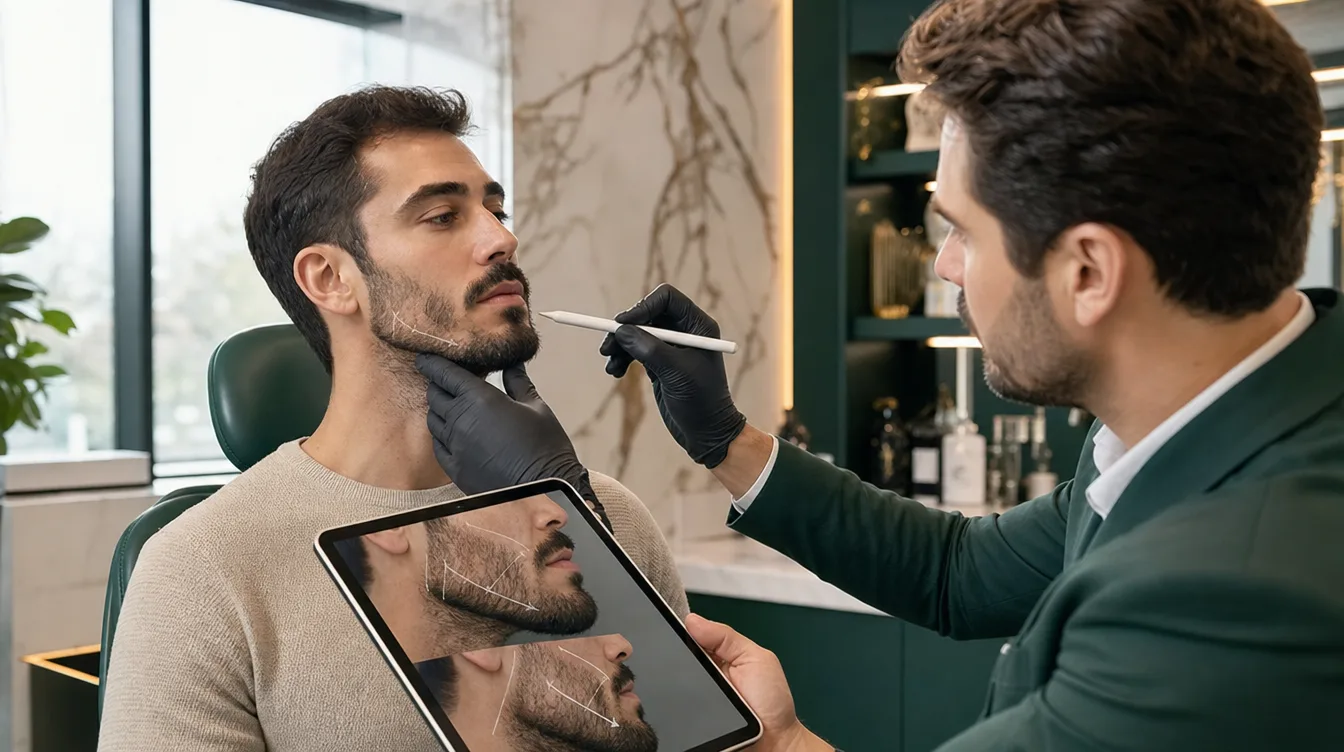
Patchy growth needs design, not just filling
A beard is part of the face. Filling every gap equally can look less natural than creating a balanced outline, density gradient, and transition between cheek, jaw, chin, and moustache.
The consultation should identify which areas matter most to the patient and which areas can be improved without overusing donor hair.
Direction of growth is critical
Facial hair changes direction across the cheeks, jawline, chin, and upper lip. Grafts need to be planned with attention to angle and flow.
This is why beard transplantation is not just a small scalp transplant. The design must fit facial anatomy and grooming habits.
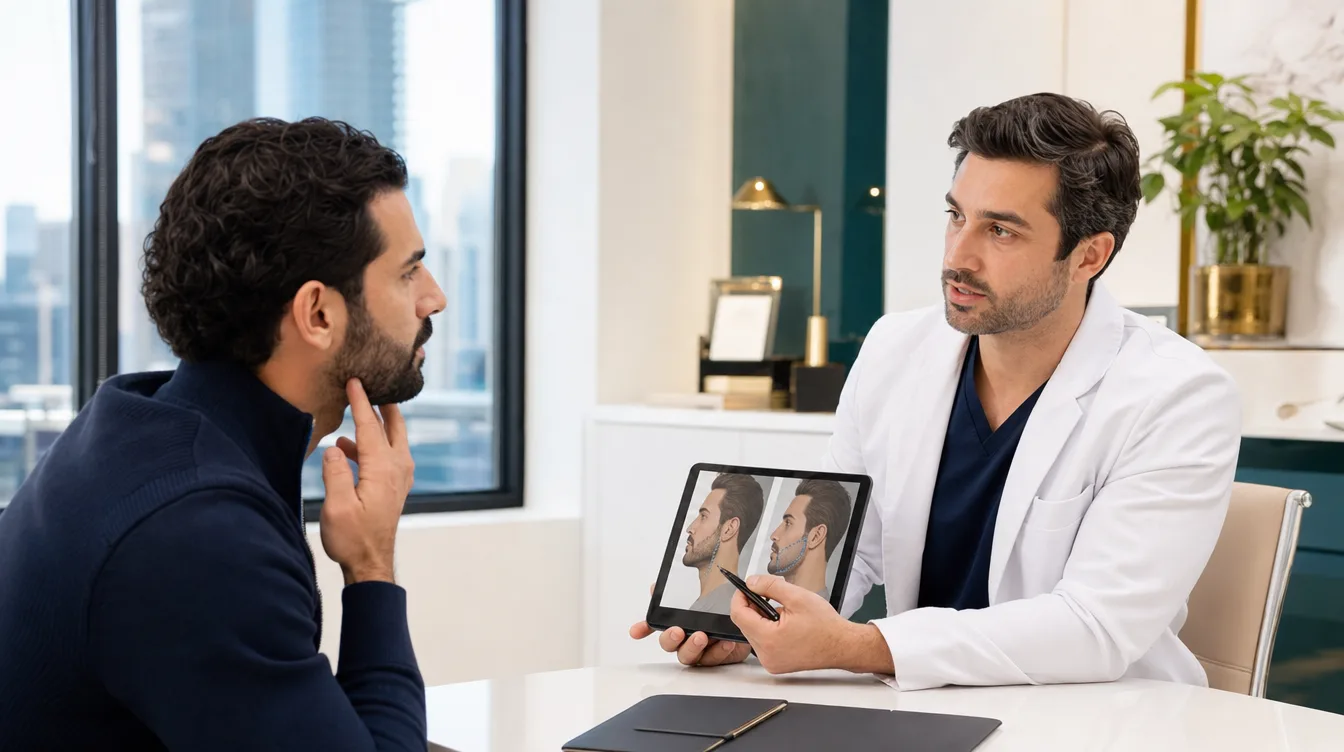

Candidacy depends on donor supply
The donor area still matters. Patients with limited donor supply may need a conservative beard plan, especially if they may also want scalp restoration in the future.
Scar gaps can be discussed, but the quality of scar tissue and expectations require careful evaluation.
What to discuss
- Patchy zones versus full density goals.
- Cheek line, jawline, chin, and moustache priorities.
- Any scars, previous procedures, or skin conditions.
- Whether scalp restoration may also be needed later.
A natural beard transplant is planned as facial design first and hair placement second.
Educational information only. This article about beard transplant for patchy beard growth does not replace medical consultation, diagnosis, or personalized postoperative instructions.
Next step
Plan a consultation around beard transplant for patchy beard growth
Bring the details that matter for beard transplant for patchy beard growth and the clinic can help decide whether the next step is diagnosis, treatment planning, support therapy, or observation.
Common questions about beard transplant for patchy beard growth
Can a beard transplant fill scars?
Sometimes scar gaps can be discussed, but scar tissue quality and expectations must be evaluated.
Does the donor hair come from the scalp?
Often donor planning involves scalp hair, but suitability depends on the patient and the clinical plan.
Will it look like natural beard hair?
The goal is natural direction and density, but individual outcomes vary and should not be guaranteed.
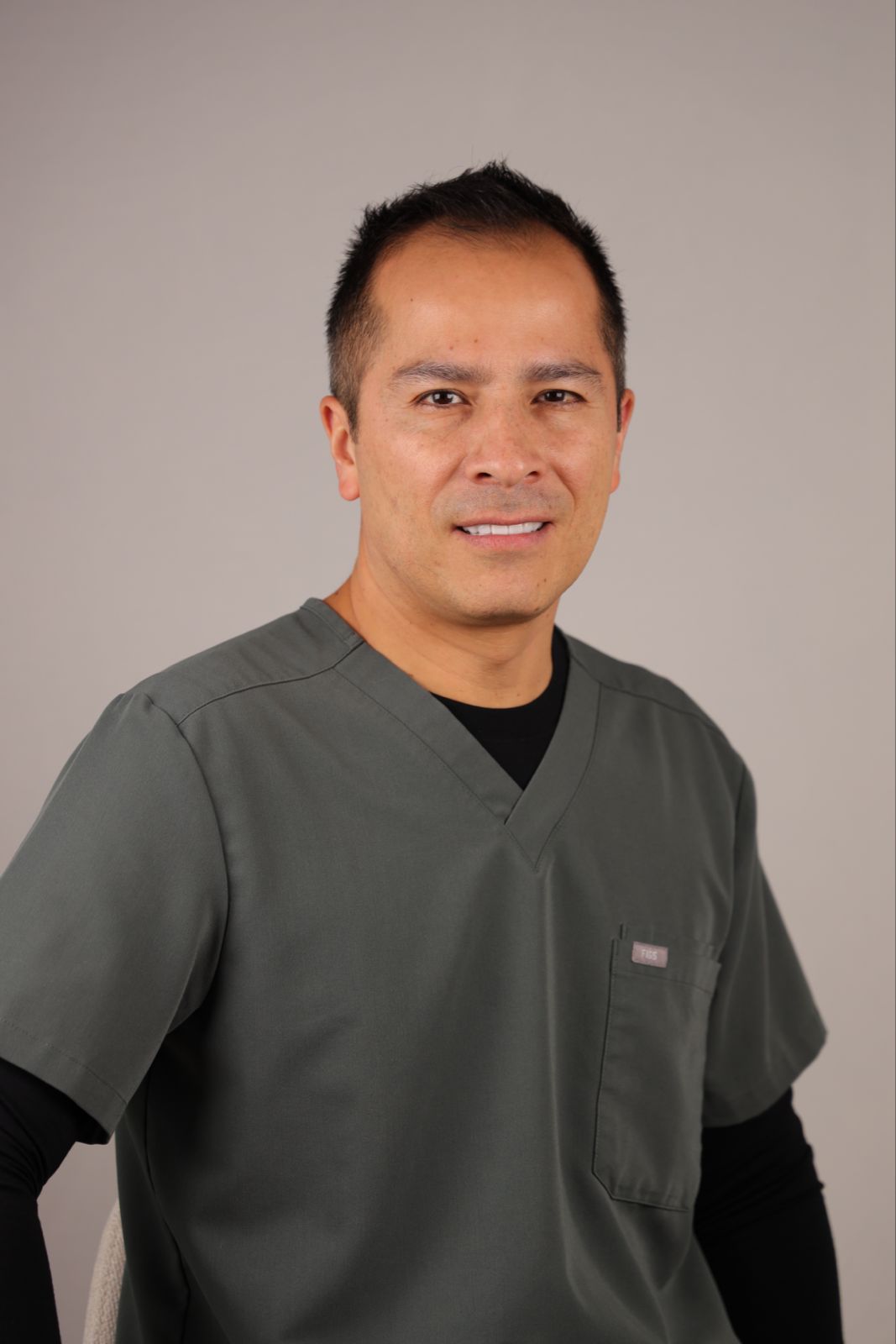
About the author
Edgar Augusto Castillo Delgado, MD on beard transplant for patchy beard growth
Edgar Augusto Castillo Delgado, MD, creates educational guidance for Dr. Castillo Hair Restoration with a diagnosis-first approach. This article about beard transplant for patchy beard growth is intended to help patients prepare better questions for consultation and does not replace individualized medical advice.